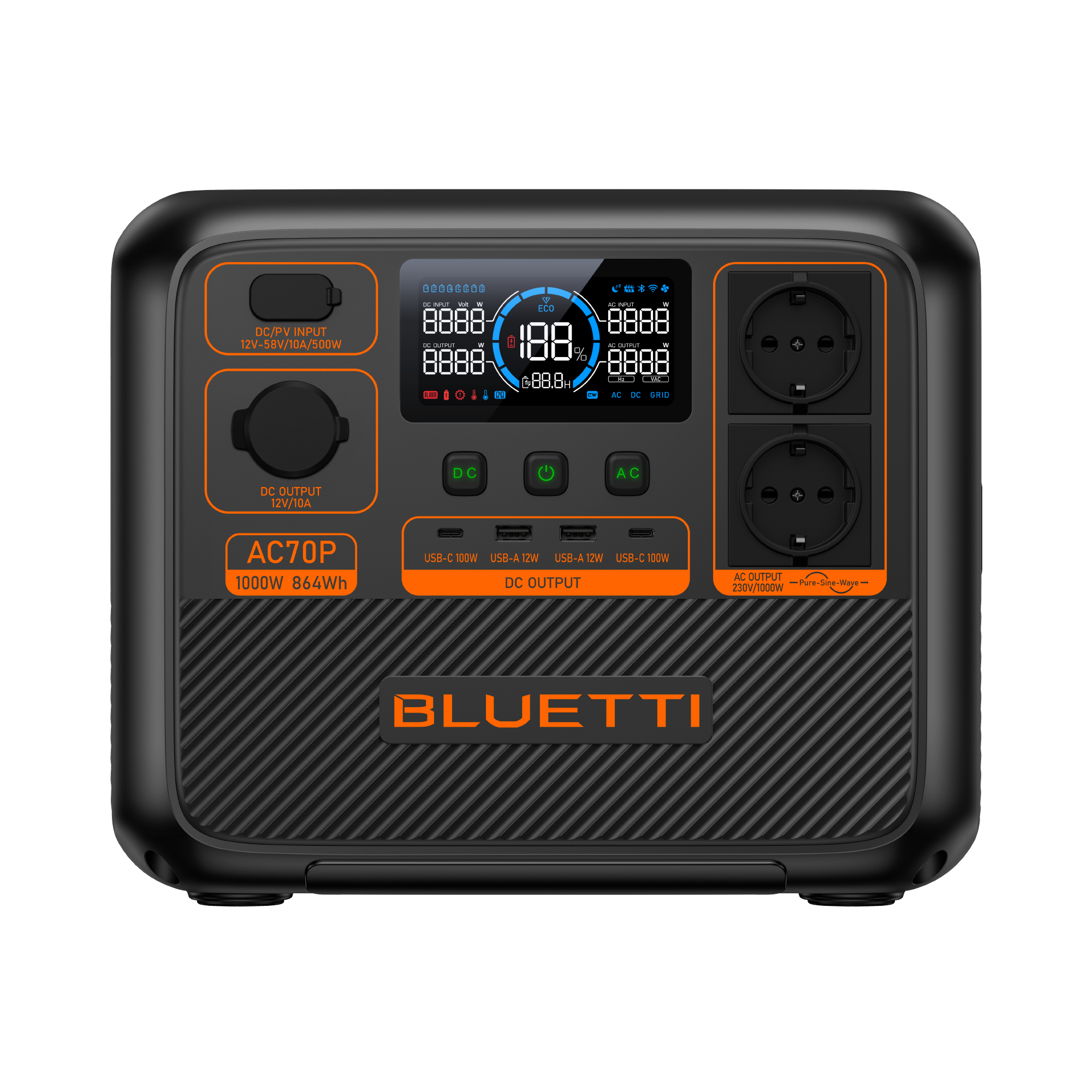
BLUETTI
AC70P
Estimated runtime: 12.2 hours
864Wh1,000W10.2kg
PORTABLE POWER STATION TOOL
Estimate the battery capacity needed to run a refrigerator, CPAP, heated blanket, laptop, projector, or another appliance—then compare products that meet both the capacity and output requirement.
INTERACTIVE CALCULATOR
Enter the continuous wattage from the appliance label and the number of hours you want it to run. The estimate reserves 15% for AC conversion losses.
60W × 12 hours ÷ 0.85 efficiency
Sorted by the smallest capacity that clears both the runtime and rated-output requirements.
Estimated runtime: 12.2 hours

Estimated runtime: 14.5 hours
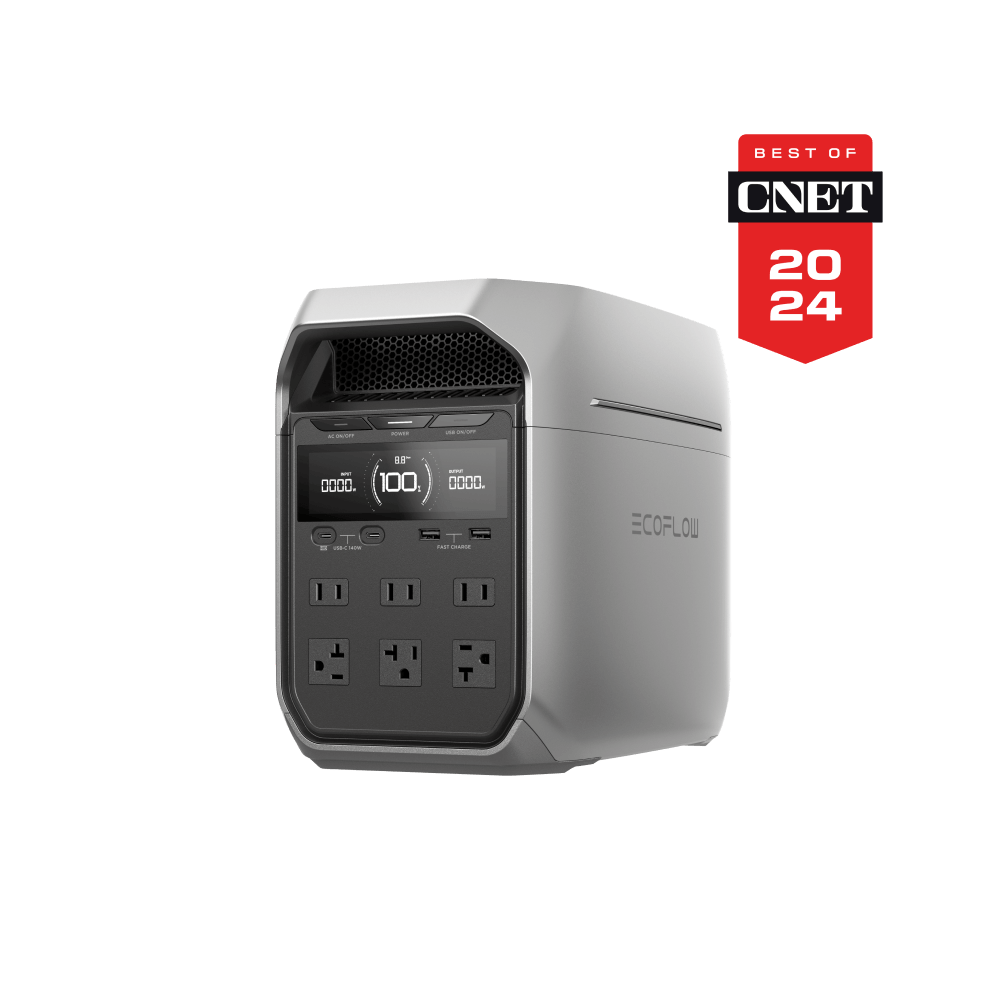
Estimated runtime: 14.5 hours
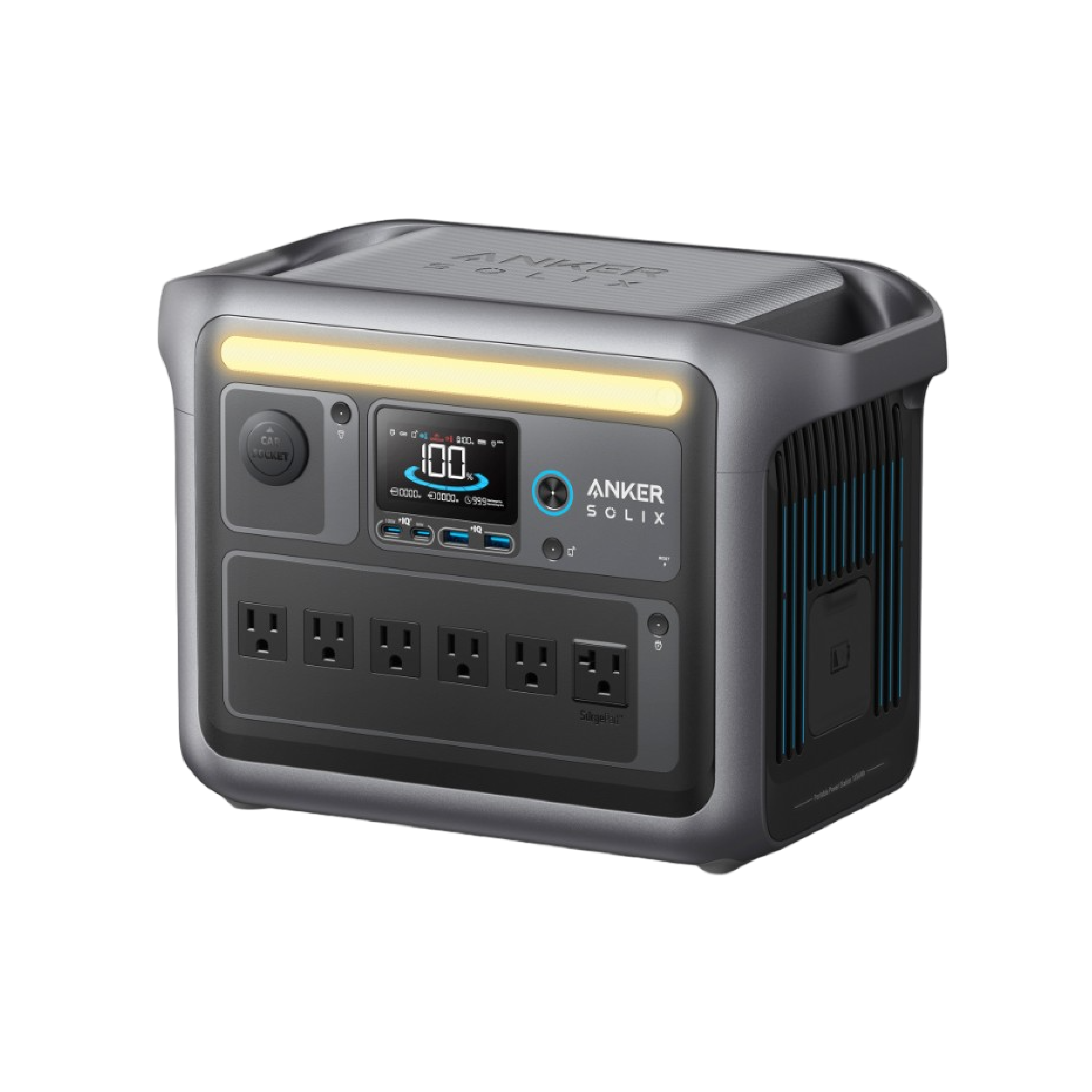
Estimated runtime: 15.0 hours
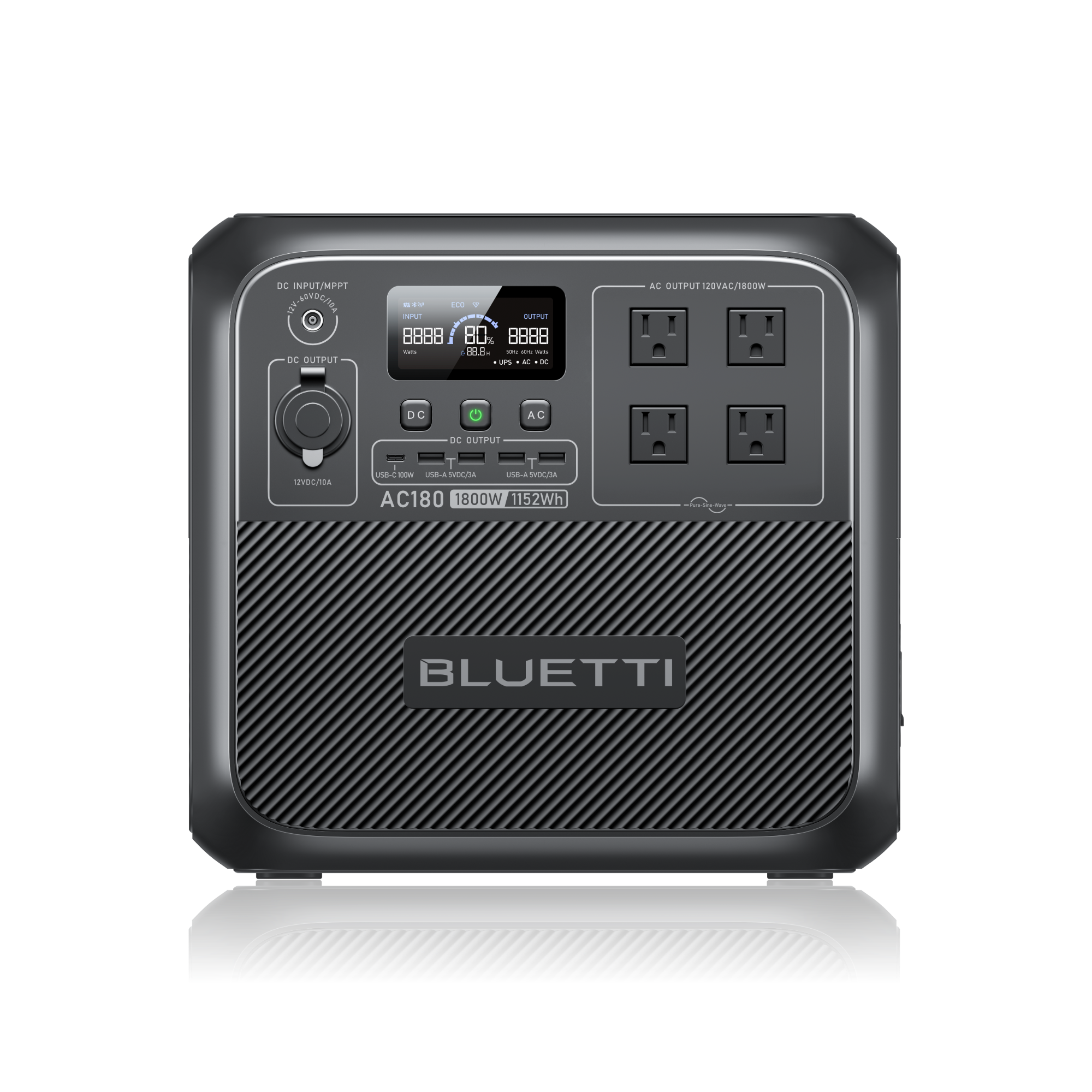
Estimated runtime: 16.3 hours
Runtime is an estimate, not a guarantee. Motor startup surge, temperature, battery age, inverter efficiency, and appliance cycling can change the result. Confirm rated and surge output before purchase.
AC runtime is calculated as capacity × 0.85 ÷ appliance watts. These are constant-load examples, not measured product results, and exclude recharging during use.
| Appliance and assumed draw | 500 Wh | 1,000 Wh | 2,000 Wh |
|---|---|---|---|
| Router · 10 W | 42.5 hr | 85.0 hr | 170.0 hr |
| Laptop · 65 W | 6.5 hr | 13.1 hr | 26.2 hr |
| Car refrigerator · 60 W | 7.1 hr | 14.2 hr | 28.3 hr |
| Heated blanket · 80 W | 5.3 hr | 10.6 hr | 21.3 hr |
A laptop adapter rated at 65W may list its maximum output rather than continuous consumption. Use a measured average for your working mode when available. Add the watts of appliances running at the same time.
For example, 0.48kWh per day is 480Wh ÷ 24 hours = 20W on average. Use the average for capacity planning, but check running and startup power separately for compatibility. The table uses a constant 60W example.
A 10W router powered through AC may run for less time than shown because the inverter also consumes energy. DC or USB operation needs a different efficiency assumption and compatible voltage, connectors and polarity.
THE TWO NUMBERS THAT MATTER
Wh is the battery energy budget. A 60W car fridge running continuously for 12 hours consumes 720Wh before conversion losses. Because fridges cycle on and off, real use may be lower.
Rated output must clear the device's continuous draw. Refrigerators, pumps, and tools can also need a short startup surge, so confirm the manufacturer's surge rating.
This calculator uses 85% efficiency. Add more margin for cold weather, an older battery, multiple devices, or a trip where running out of power is not acceptable.
FAQ
Multiply battery watt-hours by an efficiency factor, then divide by the appliance watts. WattMatch uses 0.85 for a simple AC estimate: battery Wh × 0.85 ÷ appliance W.
A power station cannot deliver every rated watt-hour through its AC inverter. The 85% assumption leaves a practical allowance for conversion losses, although actual efficiency varies by load and model.
Yes. Capacity estimates how long a device may run, while rated and surge output determine whether the station can start and operate that device at all.
Check the CPAP label or adapter wattage and include the humidifier if you use it. A 40W device for 8 hours needs roughly 377Wh using the 85% assumption, before adding any safety margin.